Lens Add-Ons Explained: The Small Upgrades That Make a Big Difference
When choosing new lenses, it’s easy to think they’re all the same — clear pieces of glass that help you see better. But the truth

When choosing new lenses, it’s easy to think they’re all the same — clear pieces of glass that help you see better. But the truth
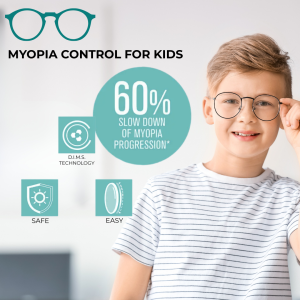
Worried about your child’s short-sightedness? MiyoSmart lenses can slow myopia progression and safeguard long-term vision. Find out more.
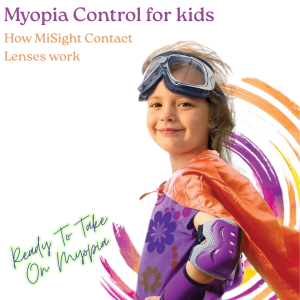
Myopia (short-sightedness) is increasingly common in children, linked to more screen time and less outdoor activity. MiSight® 1 day contact lenses use a dual-focus design: the centre provides clear vision while the outer zones create a controlled blur to slow eye elongation. Children may notice slight blur at first but usually adapt quickly. The lenses are used long-term until prescriptions stabilise, with regular checkups to track progress.

Accommodative support lenses help with digital eye strain by reducing the effort needed to shift focus between near and far. They feature an invisible near-power zone at the bottom of the lens to make reading or close tasks less tiring. Unlike single-vision lenses, they provide smoother transitions between distances. It may take 2 to 4 weeks to adapt, during which consistent wear is recommended. Over time, the eyes and brain adjust to using the right part of the lens automatically.

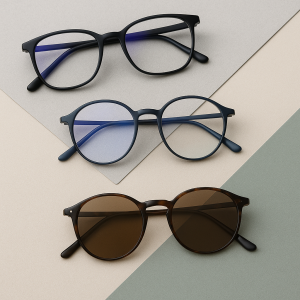
Sunglasses do more than look stylish — they block harmful UV rays, reducing the risk of cataracts, macular degeneration, pterygiums, and photokeratitis. They also reduce glare and prevent eye fatigue by refracting incoming light and improving contrast. Starting in early childhood is important, because children’s eyes are more vulnerable to UV damage. In sunny environments like South Africa, everyday exposure adds up, so forming the habit of wearing sunglasses helps protect both vision and the skin around the eyes.
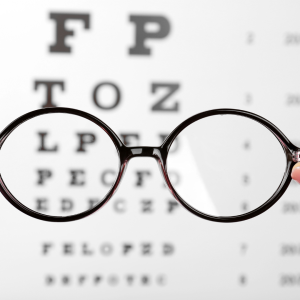
Refractive errors are common vision problems caused by light not focusing properly in the eye, leading to blurred vision. The main types are astigmatism (irregular cornea or lens), myopia (nearsightedness), hyperopia (farsightedness), and presbyopia (age-related near vision loss). Symptoms include eye strain, headaches, and difficulty seeing clearly at certain distances. They are usually corrected with glasses, contact lenses, or surgery, and regular eye exams are key to managing them.
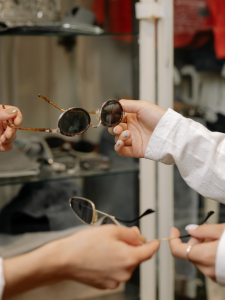
Sunglasses are more than a fashion accessory their main purpose is to protect eyes from harmful UV rays that can cause both short and long-term damage. Good quality sunglasses should block 100% of UVA and UVB light, with trusted brands like Ray-Ban offering certified UV400 protection. Polarized lenses add extra comfort by reducing glare, enhancing contrast, and improving clarity, especially for driving, sports, and water activities. Darker lenses don’t necessarily mean stronger protection, and lens coatings can wear off over time, making regular updates important. Choosing the right frame shape and quality materials ensures both durability and full coverage for lasting eye protection.
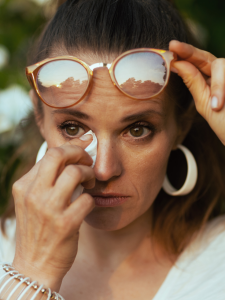
Spring brings longer days, stronger sunlight, and blooming flowers, but also seasonal allergies that cause itchy, watery, and irritated eyes. Protecting your eyes with quality UV-blocking sunglasses is vital during this time, as not all sunglasses provide full UVA/UVB protection. Allergy relief can be found through simple remedies like cold or warm compresses, saline rinses, and prescribed drops or antihistamines from an optometrist. At home, keeping windows closed during peak pollen times and using air purifiers helps reduce exposure. With the right eyewear and care, you can enjoy the season comfortably and protect your eyes from both UV rays and allergens.
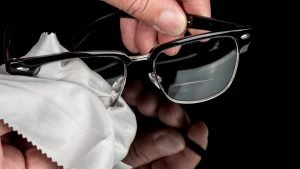
Bifocal lenses are often recommended around age 40 when presbyopia makes near tasks harder to see clearly. Unlike single-vision reading glasses, bifocals combine distance and near correction in a single lens. They differ from multifocals by serving only two distances, with the classic version showing a visible dividing line between near and far. A second option offers a more aesthetic, blended design with the line nearly invisible. Both provide convenience by allowing clear vision for near and far without switching glasses, making them a practical choice for everyday use.
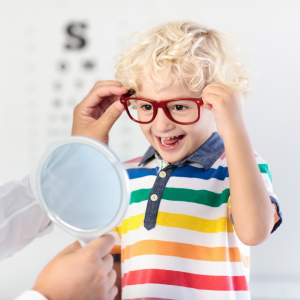
Pediatric eye tests are vital for healthy visual development, as children often don’t notice their own vision problems. Screenings should be done from birth, at 6 months, 1 year, age 3, and again before school, using specialized methods that don’t require reading. Exams may include dilated eye tests to check eye health, with guidance on sunglasses and early detection of conditions like myopia, which can be managed with lenses such as MiSight or MiyoSmart. Behavioral optometry is also highlighted, linking vision to learning and development, with referrals provided for advanced care if needed. Regular checkups ensure early detection, proper treatment, and long-term eye protection for children.